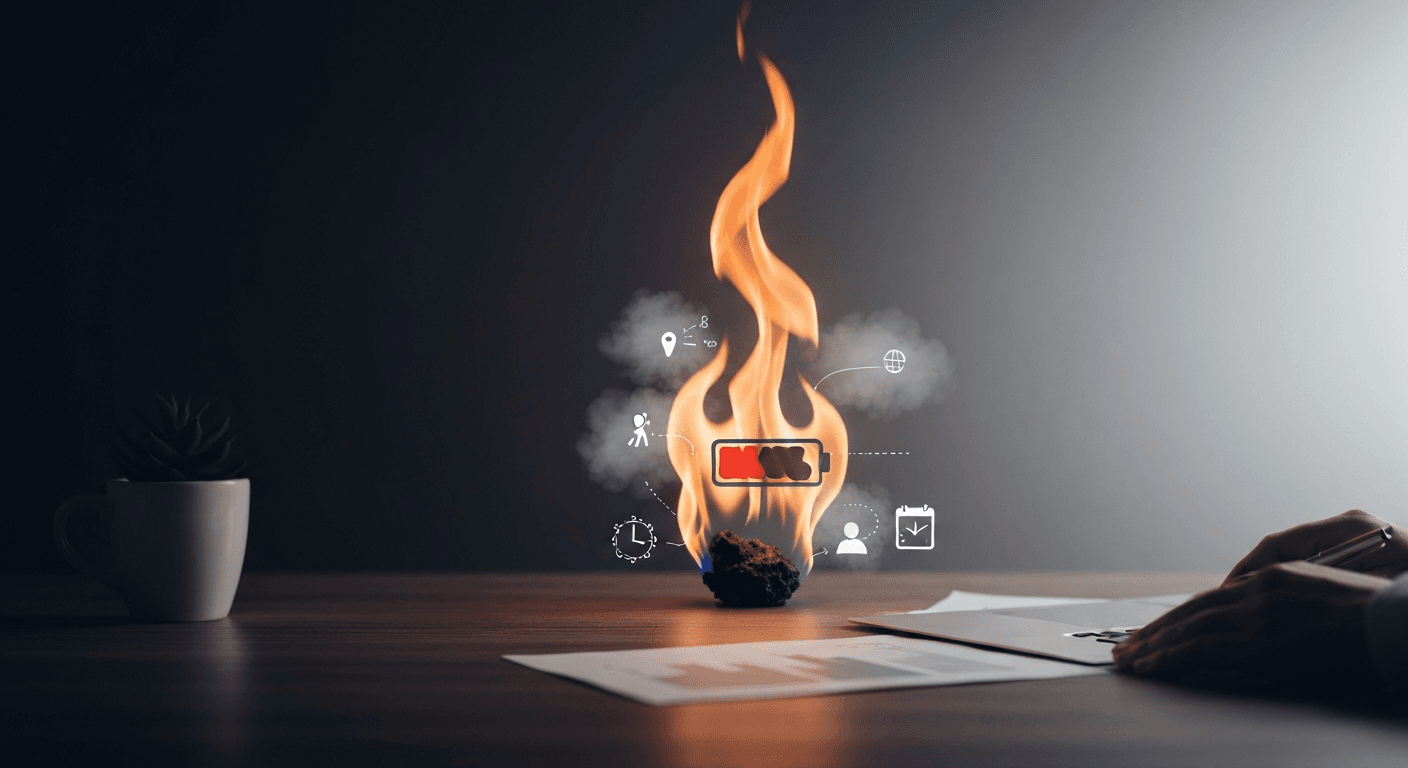
The Invisible Crisis: Energy Deficits in the Modern US Workplace
The landscape of American employment has undergone seismic shifts in recent years, propelled by global events and evolving expectations. While discussions often center on hiring trends, compensation, and technological advancements, a more insidious issue continues to plague US workplaces: the pervasive crisis of employee energy and its direct impact on productivity and well-being. This phenomenon, which gained significant visibility during and after the COVID-19 pandemic, is now recognized as a critical factor in everything from individual job satisfaction to organizational resilience.
Organizational behavior expert Michael Christian of UNC-Chapel Hill has distilled this complex challenge into three core employee energy deficits: a struggle with mindfulness, widespread sleep deprivation, and the detrimental habit of working through illness. These aren't merely personal issues; they represent fundamental weaknesses in the fabric of many US work environments, leading to significant costs in terms of human potential and corporate bottom lines. For US workers, job seekers, employers, and HR professionals, recognizing and proactively addressing these interconnected challenges is paramount for fostering a sustainable, high-performing workforce.
The Pervasive Shadow of Burnout and 'Quiet Quitting'
Before diving into Christian's three energy challenges, it's crucial to understand the broader context of employee exhaustion in the US. Burnout is no longer an isolated incident but a widespread epidemic. A staggering majority of US workers – 76% – report experiencing burnout at least occasionally, with 55% currently grappling with it, marking a six-year high. This chronic workplace stress costs roughly $5 million annually for every 1,000 employees. The underlying causes are multifaceted, including heavy workloads, insufficient resources, micromanagement, and toxic work environments. The consequences are dire: burned-out employees are 2.6 times more likely to actively seek new employment.
This widespread disaffection manifests in phenomena like "quiet quitting," where more than half of the American workforce reportedly does the bare minimum required to maintain their jobs, emotionally detaching rather than fully engaging. This trend is often a byproduct of feeling disconnected from employers, distrust in leadership, or even anxiety about job security due to factors like AI integration. This widespread disengagement is costly; annual voluntary turnover alone costs US businesses approximately $1 trillion, with replacement costs for a single employee ranging from 50% to 200% of their annual salary, depending on the role. These figures underscore the urgent need for employers to invest in employee well-being as a strategic retention and productivity measure.
1. Reclaiming Focus and Resilience: The Power of Mindfulness
In our hyper-connected, always-on work culture, the ability to focus and maintain mental clarity has become a prized, yet often elusive, skill. Michael Christian emphasizes that practicing mindfulness is a powerful antidote to mental exhaustion, enhancing mental health and productivity. Employees who feel overwhelmed, sad, or exhausted are inherently less effective, even when trying to meet their professional obligations.
What This Means for US Workers and Job Seekers:
- Enhanced Mental Resilience: Mindfulness helps employees manage emotions, align decisions with personal values, and bounce back from negative events. In a competitive job market, demonstrating emotional intelligence and stress management skills can be a significant advantage.
- Improved Performance: Simple exercises like focused breathing can lead to better emotional regulation and a renewed sense of purpose. Taking even a few minutes for calm transitions between tasks can significantly boost rejuvenation and focus throughout the day.
- Personal Advocacy: Job seekers can look for organizations that genuinely support mental well-being, recognizing that a mindful culture fosters healthier work habits and better long-term career satisfaction.
Practical Strategies for Managers and HR Professionals:
- Cultivate a Culture of Support: Instead of rushing to judgment when performance dips, managers should seek to understand underlying issues. Establishing a baseline for employee behavior allows for more empathetic and effective interventions.
- Encourage Mindful Breaks: Model and encourage employees to detach fully during breaks and off-work hours. Implement policies that discourage after-hours emails or leverage "send later" features to respect boundaries.
- Provide Resources and Training: Offer access to mindfulness programs, meditation apps, or workshops. Many leading corporations, including Google, Apple, and Aetna, have already recognized the benefits of these initiatives, reporting reductions in stress and improvements in sleep quality and productivity.
- Reduce Distractions: Work with teams to identify and minimize interruptions. Creating an environment where employees can focus deeply, free from constant alerts and meetings, supports mindful work.
2. The Hidden Costs of Fatigue: Addressing Sleep Deprivation
The notion that "sleep is for the weak" has long permeated certain segments of US work culture, yet its profound impact on performance is undeniable. Christian highlights that sleep deprivation, defined as fewer than six hours of sleep in a 24-hour period, or chronic deprivation over multiple nights, significantly impairs self-control, increases susceptibility to unethical influences, and leads to poor decision-making and hostility.
What This Means for US Workers and Job Seekers:
- Compromised Cognitive Function: Lack of sleep severely diminishes concentration, decision-making, memory recall, and problem-solving abilities. This means everyday tasks take longer and are more prone to errors, directly hindering career advancement and job security.
- Increased Health Risks: Chronic sleep deprivation is linked to numerous health issues, which can impact long-term career viability and increase healthcare costs.
- Prioritize Personal Health: Employees must recognize sleep as a cornerstone of productivity and well-being, avoiding overtime or extra work from home that encroaches on rest. Establishing a consistent, low-energy bedtime routine – dim lights, no screens – helps regulate melatonin and improve sleep quality.
Practical Strategies for Managers and HR Professionals:
- Recognize and Address the Problem: HR leaders cannot afford to view sleep as a purely personal matter. Sleep deprivation costs US employers an estimated $411 billion in lost productivity annually, with approximately 1.23 million working days lost each year. It directly accelerates burnout.
- Foster a Culture of Rest: Managers should learn the signs of sleep deprivation and create open communication channels where employees feel comfortable discussing health concerns without fear of reprisal. Ensure that workload expectations do not implicitly pressure employees into sacrificing sleep.
- Offer Wellness Programs and Resources: Provide access to wellness programs that include sleep counseling or sleep apnea treatment. Promoting work-life balance through flexible policies can also encourage employees to prioritize rest.
- Educate on Impact: Highlight the correlation between sleep, productivity, and safety. For instance, research shows that operating on insufficient sleep can produce cognitive deficits comparable to intoxication, underscoring its profound impact on workplace performance and safety.
3. Presenteeism: The Invisible Productivity Killer
The inclination to "power through" an illness and come to work, known as presenteeism, is a deep-seated issue in many US workplaces. Christian explains that working while ill, whether with short-term sickness or chronic conditions, significantly diminishes an employee's attention and output. It also reduces their capacity to support colleagues, impacting overall team effectiveness.
What This Means for US Workers and Job Seekers:
- Reduced Effectiveness: Even if physically present, an ill employee cannot perform at their peak, leading to errors, slower work, and ultimately, poorer results. This impacts reputation and job quality.
- Extended Recovery Time: Pushing through illness often prolongs recovery, potentially leading to more severe health issues or eventual burnout. Giving oneself permission to take time off can prevent long-term health consequences.
- Impact on Colleagues: Showing up sick can spread illness, reducing overall team productivity and potentially creating a negative work environment.
- Advocate for Needs: Employees should communicate their needs to employers as they change, particularly concerning chronic illnesses, and utilize available sick leave to avoid exacerbating health issues.
Practical Strategies for Managers and HR Professionals:
- Understand the Costs: Presenteeism is far more expensive than absenteeism, costing US businesses up to $150 billion annually – roughly 10 times more than lost days from absence. This hidden cost stems from reduced productivity, with employees losing an average of 57.5 days of productivity each year by working while impaired.
- Promote a "Stay Home When Sick" Culture: Instead of assuming disengagement, managers should initiate conversations about well-being. Let employees know that their health is a primary concern. More than 90% of US workers admit to going to work sick at least once in 2023, with many hesitant to take available sick leave due to guilt or fear.
- Implement Flexible and Supportive Sick Leave Policies: HR must design sick leave policies that are flexible and accommodating to individual needs, moving away from rigid structures that penalize employees for taking necessary time off. As of 2026, 22 states have mandatory paid sick leave laws, but many still do not, leading to significant disparities. Comprehensive insurance policies with broad coverage options are also crucial.
- Offer Accommodations: Proactively discuss specific needs with employees. For instance, some may benefit from more frequent breaks or adjusted tasks if managing a chronic condition.
- Reduce Stigma Around Mental Health: Depression-related presenteeism alone costs $33 billion annually in the US. Employers must destigmatize mental and physical health conditions, ensuring employees feel safe disclosing struggles and accessing support through Employee Assistance Programs (EAPs) and wellness initiatives.
A Holistic Approach: Integrating Well-being for Sustainable Success
The challenges of mindfulness, sleep deprivation, and presenteeism are not isolated issues; they are deeply intertwined components of overall employee well-being. For US employers, addressing these proactively is not just altruistic; it's a strategic imperative that directly impacts talent acquisition, retention, and the bottom line. The cost of voluntary turnover alone is staggering, and employees increasingly prioritize well-being. Indeed, 86% of employees now consider their well-being as important as their salary, and those who feel their employer cares about their overall well-being are 69% less likely to seek new employment.
HR professionals play a pivotal role in spearheading this cultural shift. By designing sustainable work policies that encourage flexible arrangements and clear expectations, promoting comprehensive mental health resources like EAPs, and investing in manager training to recognize and respond to signs of struggle, HR can build a framework for a healthier, more productive workforce. Leveraging technology and automation can also free HR teams from administrative burdens, allowing them to focus on high-value human interactions and strategic well-being initiatives. Regularly gathering and responding to employee feedback through surveys and focus groups is vital to identify systemic issues and tailor interventions effectively.
Ultimately, fostering a workplace where employees can thrive means recognizing that work and personal lives are inextricably linked. Leaders must demonstrate genuine concern for their team members' holistic health. By prioritizing mindfulness, promoting healthy sleep habits, and creating truly supportive sick leave policies, US organizations can move beyond merely reacting to crises and instead build resilient, engaged, and high-performing teams ready to meet the demands of an ever-evolving labor market. The investment in employee energy is an investment in the future success and competitiveness of the American workforce.