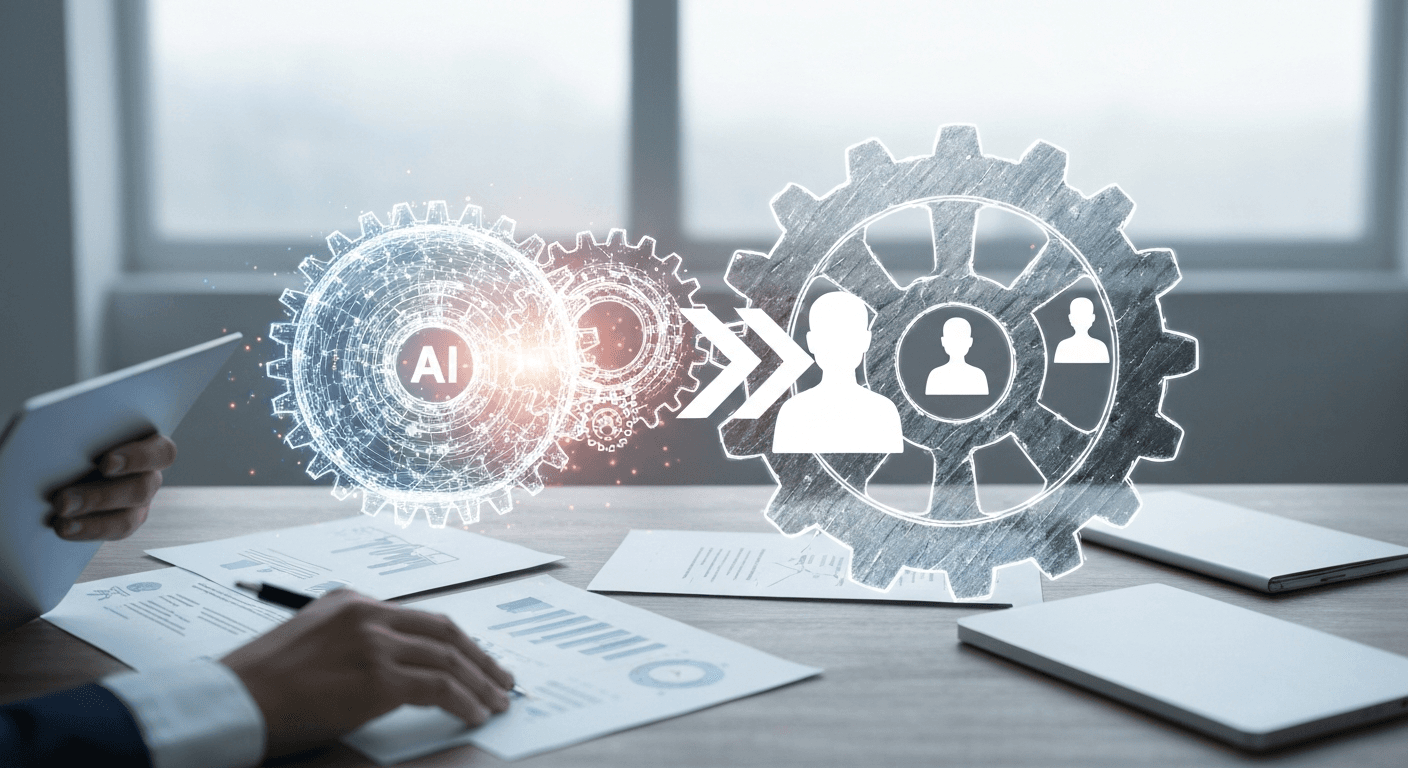
The AI Imperative: How Intelligent Automation is Reshaping US Talent Acquisition and the Future of Work
The landscape of talent acquisition in the United States is undergoing a profound and rapid transformation, driven by the surging adoption of artificial intelligence (AI) and advanced automation. As organizations grapple with increasing workloads and tighter budgets, technology is no longer just a supportive tool but a strategic imperative. Recent insights from The Hackett Group's 2026 Talent Acquisition Vendor Assessments and 2026 HR Key Issues Study paint a clear picture: AI is not merely optimizing HR functions; it's fundamentally reshaping how US companies find, attract, and onboard talent, with significant ramifications for recruiters, employers, and job seekers alike.
In an era where organizations anticipate an average 9% increase in HR workload coupled with reductions in full-time equivalent (FTE) staff and operating budgets, the reliance on technology has intensified. To counter these pressures, companies are increasing their technology spend by 9%. This investment is paying off, as talent acquisition technology providers leverage AI and automation to deliver unprecedented efficiency and strategic value across the hiring lifecycle.
The AI Revolution in Talent Acquisition: Unprecedented Efficiency Gains
The core finding from The Hackett Group's assessments is staggering: advanced technologies now automate over 70% of processes across the entire hiring lifecycle. This level of automation is not just about cutting corners; it's about fundamentally re-engineering the speed and effectiveness of recruitment. End users are reporting an average improvement of 32% in critical metrics such as time-to-fill and time-to-hire. The automation of hiring activities has seen an impressive improvement of 72%, and recruiters themselves are experiencing a 70% increase in efficiency in their daily tasks.
These aren't incremental adjustments; they represent a paradigm shift. Recruiters, once burdened by administrative tasks like resume screening, scheduling, and initial outreach, are now being freed to focus on more strategic, human-centric activities. This newfound efficiency is critical for organizations striving to maintain robust recruiting functions despite growing demands and dwindling resources. The 'agentic AI' solutions, alongside advanced automation and candidate relationship management (CRM) capabilities, are designed to enhance the recruiting process for both the recruiting teams and the candidates they engage.
The comprehensive evaluation of talent acquisition vendors considered a wide array of criteria, from candidate experience and recruiter experience to internal mobility, interview solutions, candidate assessment, onboarding, and analytics. Core platform functionalities, user interface quality, platform flexibility, and data integrations were also key to assessing vendor capabilities. On the value realization front, metrics included implementation experience, cost per hire, quality of hire, candidate diversity, and the pace of innovation, all demonstrating the holistic impact of these advanced technologies.
What This Means for HR Professionals and Recruiters
For HR professionals and recruiters in the US, the rise of AI in talent acquisition marks a significant evolution, not an obsolescence, of their roles. The days of tedious, repetitive administrative tasks are increasingly behind us. Instead, the focus is shifting towards strategic partnership, data interpretation, and high-value candidate engagement.
The Evolving Role of the Recruiter: From Administrator to Strategist
With 70% of hiring processes automated and a 70% increase in daily recruiter efficiency, the administrative burden is largely lifted. This liberation allows recruiters to pivot their attention to areas where human intelligence and empathy are irreplaceable. Their new mandate includes:
- Strategic Talent Partner: Collaborating closely with hiring managers to understand nuanced talent needs, workforce planning, and long-term talent pipeline development.
- Candidate Experience Orchestrator: Designing and overseeing a personalized, engaging candidate journey, especially at critical touchpoints where human interaction matters most.
- Data Interpreter and Actioner: Moving beyond basic metrics to analyze AI-generated insights, identify trends, predict talent needs, and inform strategic decisions.
- Technology Steward: Understanding the capabilities and limitations of AI tools, ensuring ethical deployment, and continuously optimizing their use for better outcomes.
- Brand Ambassador: Articulating the company's value proposition and culture to top talent, fostering genuine relationships that AI can't replicate.
- Internal Mobility Champion: Leveraging AI tools that support internal mobility to identify and nurture existing talent for new opportunities within the organization.
Checklist for Recruiters: Adapting to the AI-Powered Era
To thrive in this evolving environment, US recruiters should consider the following:
- Upskill in AI Literacy: Understand how AI and automation platforms work, their functionalities, and how to effectively leverage them for screening, scheduling, and candidate communication.
- Develop Data Analytics Skills: Learn to interpret the data generated by TA platforms to gain insights into hiring effectiveness, candidate quality, and process bottlenecks.
- Enhance "Human" Skills: Focus on empathy, negotiation, strategic thinking, storytelling, and relationship building – skills that AI cannot replicate.
- Master Candidate Experience Design: Think critically about every candidate touchpoint and how AI can augment, rather than replace, positive human interactions.
- Champion Ethical AI Use: Be aware of potential biases in AI algorithms and advocate for fair, transparent, and equitable hiring practices.
- Become a Change Agent: Help your organization adapt to new tools and processes, guiding hiring managers and teams on best practices for AI-assisted hiring.
What This Means for US Employers
For US employers, the embrace of AI in talent acquisition represents a significant competitive advantage in the race for talent. The ability to fill positions 32% faster, reduce cost per hire, and improve the quality of hire directly impacts organizational performance and strategic goals.
Strategic Benefits Beyond Efficiency
While efficiency gains are substantial, the benefits extend much further:
- Enhanced Talent Attraction and Retention: Faster, more personalized hiring processes contribute to a positive employer brand, making companies more attractive to top talent. Improved internal mobility solutions mean better retention of existing high-performers.
- Improved Quality of Hire: AI-powered assessments and analytics can identify candidates whose skills, experience, and cultural fit align more precisely with job requirements, leading to better long-term performance.
- Increased Candidate Diversity: While requiring careful implementation to mitigate bias, AI tools can broaden candidate pools, reduce human unconscious bias in initial screening, and support efforts to build a more diverse workforce. This is a key metric evaluated by The Hackett Group's report.
- Optimized Resource Allocation: By automating routine tasks, HR departments can reallocate resources to strategic initiatives like workforce planning, employee development, and strategic compensation design.
- Scalability: AI-driven TA systems allow organizations to scale their recruiting efforts up or down more easily in response to market demands without proportionally increasing HR headcount.
- Data-Driven Decision Making: The wealth of data generated by these platforms provides unprecedented insights into recruiting effectiveness, allowing employers to continuously refine their strategies.
Checklist for Employers: Implementing AI in Your TA Strategy
To maximize the benefits of AI in talent acquisition, US employers should consider:
- Strategic Needs Assessment: Identify specific pain points in your current TA process where AI can deliver the most impact (e.g., high time-to-fill for certain roles, low candidate quality, diversity challenges).
- Vendor Selection Due Diligence: Carefully evaluate TA solution providers based on The Hackett Group's criteria, focusing on their capabilities, value realization, and pace of innovation. Consider their approach to ethical AI and bias mitigation.
- Pilot Programs and Phased Rollouts: Implement AI solutions incrementally, starting with pilot programs to gather feedback and refine processes before a full-scale rollout.
- Invest in HR Training: Provide comprehensive training for your HR and recruiting teams to ensure they are proficient in using new AI tools and understand their evolving roles.
- Establish Clear KPIs and Metrics: Define key performance indicators (KPIs) to measure the success of AI implementation, beyond just efficiency, including quality of hire, diversity, and candidate satisfaction.
- Monitor for Bias and Ensure Fairness: Actively monitor AI algorithms for potential biases and establish protocols to ensure fair and equitable treatment of all candidates. Regular audits are crucial.
- Communicate Transparently: Inform candidates about the use of AI in the hiring process to build trust and manage expectations.
The Candidate Experience Transformed
For US job seekers and candidates, the shift to AI-powered talent acquisition profoundly alters the job search experience. While some aspects become more efficient and personalized, others demand a new level of understanding and adaptation from the candidate.
A Faster, More Personalized Journey (with Caveats)
The reported 32% improvement in time-to-fill and time-to-hire directly benefits candidates through quicker feedback loops and potentially faster job offers. AI-driven CRM tools can offer more personalized communications, keeping candidates informed and engaged throughout the process.
However, this efficiency comes with a need for candidates to adapt:
- Optimized Digital Footprint: AI-powered screening tools analyze resumes, online profiles, and application materials for keywords and specific criteria. Candidates must ensure their digital presence and application documents are highly optimized, clear, and relevant to the roles they seek.
- AI-Driven Assessments: Expect more AI-powered assessments that evaluate skills, cognitive abilities, and even behavioral traits. Understanding the types of assessments used and practicing similar exercises can be beneficial.
- Personalized, But Automated, Interactions: While communication might feel more tailored, it’s often driven by AI. Candidates should still strive for genuine engagement when they connect with human recruiters.
- Internal Mobility as a Pathway: For current employees, AI tools designed for internal mobility mean more accessible pathways to new roles within their existing organizations, making continuous skill development and networking within the company even more valuable.
Checklist for Job Seekers: Navigating AI in Your Job Search
- Keyword Optimization: Tailor your resume and LinkedIn profile with keywords found in job descriptions. AI systems are often programmed to identify these.
- Quantify Achievements: Use numbers and data to demonstrate your impact. AI algorithms can easily parse quantifiable results.
- Practice AI-Driven Assessments: If applying for roles known to use them, research and practice common types of online skills tests, cognitive assessments, and video interview platforms.
- Showcase Soft Skills: While AI screens for hard skills, human recruiters still prioritize soft skills. Ensure your cover letter and interview responses highlight communication, teamwork, problem-solving, and adaptability.
- Build a Strong Online Brand: Maintain professional online profiles. AI tools may scan publicly available information.
- Prepare for Video Interviews: Be comfortable with video conferencing tools, practice looking at the camera, and ensure good lighting and sound.
- Follow Up Smartly: Understand that initial responses may be automated, but persistence and genuine interest expressed directly to human contacts remain crucial.
The Broader Labor Market Context and the Future of Work
The widespread adoption of AI in talent acquisition signifies a broader shift in the US labor market. The need for continuous learning and skill development becomes paramount, not just for HR professionals but for the entire workforce. As administrative and repetitive tasks are increasingly automated, the demand for uniquely human skills – critical thinking, creativity, emotional intelligence, and complex problem-solving – will intensify.
This technological evolution isn't merely about cutting costs; it's about building more agile, resilient, and strategically aligned workforces. Organizations that successfully integrate AI into their talent strategies will be better positioned to attract and retain the best talent, foster internal growth, and navigate the complexities of a dynamic global economy. For workers, the message is clear: embrace continuous learning, cultivate distinctly human capabilities, and understand how to interact effectively with intelligent systems to carve out a successful path in the future of work.